


————
Transform Your Car Wash Routine with Microfiber Cloths: The Ultimate Guide
Release time:
2024-11-17
Transform Your Car Wash Routine with Microfiber Cloths Table of Contents Introduction to Microfiber Cloths What Are Microfiber Cloths? Benefits of Using Microfiber Cloths for Car Wash How to Choose the Best Microfiber Cloths Proper Care and Maintenance of Microfiber Cloths How to Use Microfiber Cloths in Your Car Wash Routine Common Misconceptions About Microfiber Cloths Frequ
Transform Your Car Wash Routine with Microfiber Cloths
Table of Contents
- Introduction to Microfiber Cloths
- What Are Microfiber Cloths?
- Benefits of Using Microfiber Cloths for Car Wash
- How to Choose the Best Microfiber Cloths
- Proper Care and Maintenance of Microfiber Cloths
- How to Use Microfiber Cloths in Your Car Wash Routine
- Common Misconceptions About Microfiber Cloths
- Frequently Asked Questions
- Conclusion
Introduction to Microfiber Cloths
Transforming your car wash routine begins with understanding the tools that enhance the process. Microfiber cloths have revolutionized the way we clean and maintain our vehicles. With their unique fibers and superior cleaning capabilities, they have become a staple in the car care industry. This article delves into everything you need to know about microfiber cloths, ensuring you harness their full potential for a spotless vehicle.
What Are Microfiber Cloths?
Microfiber cloths are made from synthetic fibers, typically a blend of polyester and polyamide. These tiny fibers are finer than human hair, allowing them to pick up dirt, dust, and grime effectively. The unique structure of microfiber cloths enables them to absorb liquid and trap debris, making them a preferred choice for car washing and detailing.
Types of Microfiber Cloths
There are several types of microfiber cloths available, each designed for specific cleaning tasks:
- General Purpose Cloths: Ideal for everyday cleaning tasks, these cloths provide a good balance between softness and absorbency.
- Polishing Cloths: These are ultra-soft and designed specifically for polishing surfaces without leaving scratches.
- Glass Cloths: Designed with a tighter weave, these cloths are perfect for cleaning windows and mirrors without streaking.
- Detailing Towels: Thicker and more absorbent, these cloths are used for thorough drying and detailing.
Benefits of Using Microfiber Cloths for Car Wash
Incorporating microfiber cloths into your car wash routine offers several significant advantages:
1. Superior Cleaning Power
The fine fibers of microfiber cloths can penetrate small crevices and pick up dirt and grime that traditional cotton cloths may miss. This results in a more thorough cleaning of your vehicle's surface.
2. Scratch-Free Finish
Microfiber cloths are exceptionally soft and non-abrasive, making them safe to use on delicate surfaces. This ensures your car's paint remains unblemished, avoiding scratches often caused by conventional cleaning materials.
3. Eco-Friendly Option
Using microfiber cloths reduces the need for chemical cleaners. Often, water alone is sufficient when pairing it with microfiber cloths, making it a more environmentally friendly option.
4. High Absorbency
Microfiber can absorb up to seven times its weight in water, making it perfect for drying your vehicle after a wash and reducing water spots.
5. Cost-Effective
Though microfiber cloths may have a higher upfront cost compared to traditional cloths, their durability and reusability make them a smart investment in the long run.
How to Choose the Best Microfiber Cloths
When selecting microfiber cloths for your car wash routine, consider the following factors:
1. GSM (Grams per Square Meter)
Microfiber cloths come in various GSM ratings, which indicate their density. A higher GSM usually means a thicker, more absorbent cloth, ideal for drying and polishing. Look for cloths with at least 300 GSM for car care.
2. Weave Type
Different weave types serve different purposes. A plush or looped weave is excellent for absorbing water, while a flat weave is perfect for polishing and applying wax.
3. Color Coding
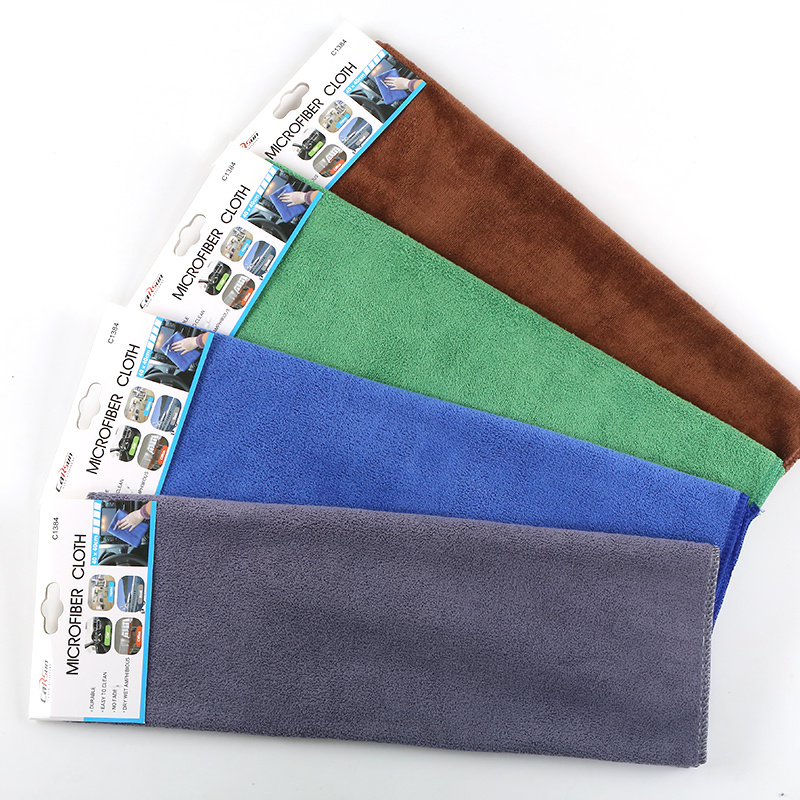
To avoid cross-contamination, consider using color-coded microfiber cloths for different tasks, like one color for cleaning the interior and another for exterior surfaces.
4. Quality of Material
Ensure you choose high-quality microfiber cloths. Look for those labeled as 70/30 or 80/20 polyester to polyamide blends for optimal performance and longevity.
Proper Care and Maintenance of Microfiber Cloths
To maximize the lifespan and effectiveness of your microfiber cloths, proper care is essential:
1. Washing Instructions
Always wash microfiber cloths separately from other laundry to avoid lint transfer. Use a gentle detergent without bleach or fabric softeners, which can degrade the fibers.
2. Drying Methods
Air drying is preferred, but if you use a dryer, opt for a low heat setting to prevent damage. Avoid dryer sheets, as they can leave residues on the cloths.
3. Storage Tips
Store microfiber cloths in a clean, dry place to prevent contamination. Use storage bins or drawers to keep them organized and free from dirt.
How to Use Microfiber Cloths in Your Car Wash Routine
Incorporating microfiber cloths into your car wash routine is straightforward. Here’s a step-by-step guide:
1. Pre-Wash Preparation
Before starting the wash, gather your microfiber cloths according to their designated tasks. Have separate cloths for washing, drying, and detailing.
2. Washing the Exterior
Start by rinsing your vehicle to remove loose dirt. Use a microfiber wash mitt for soaping the exterior, ensuring to rinse the mitt frequently to avoid scratching the surface.
3. Drying the Vehicle
After rinsing, use a large, plush microfiber drying towel to absorb water. Begin at the top and work your way down to prevent streaks.
4. Detailing
For detailing, use a separate microfiber cloth to apply wax or polish. Ensure the cloth is clean and dry to achieve the best results.
5. Cleaning the Interior
Utilize a different color-coded microfiber cloth to clean the dashboard, door panels, and seats. A damp cloth can help lift dust and grime effectively.
Common Misconceptions About Microfiber Cloths
Despite their popularity, several misconceptions about microfiber cloths persist:
1. All Microfiber Cloths Are the Same
Quality varies significantly. High-quality microfiber cloths outperform cheaper alternatives in terms of cleaning power and durability.
2. Microfiber Cloths Are Just for Cars
While excellent for car cleaning, microfiber cloths are also effective for household cleaning, electronics, and personal care.
3. You Don’t Need to Wash Them Often
Regular washing is essential to maintain their cleaning effectiveness. Dirt and grime can degrade the fibers if left unwashed.
Frequently Asked Questions
1. Can I use microfiber cloths on all surfaces?
Yes, microfiber cloths are safe for various surfaces, including glass, paint, plastic, and metal. Always check the cloth's specific application to ensure optimal results.
2. How often should I replace my microfiber cloths?
With proper care, microfiber cloths can last for several years. Replace them when they show signs of wear or lose their effectiveness.
3. What is the best way to wash microfiber cloths?
Wash them in cold or warm water with a gentle detergent, avoiding bleach and fabric softeners.
4. Are there any specific brands you recommend?
Look for reputable brands known for quality microfiber products, like Chemical Guys, The Rag Company, and Meguiar's.
5. Can I use microfiber cloths for waxing my car?
Absolutely! Microfiber cloths are perfect for applying wax or polish, providing a smooth and even finish.
Conclusion
In conclusion, transforming your car wash routine with microfiber cloths can lead to a more efficient and effective cleaning process. By understanding their unique properties, selecting the right types, and adhering to proper care techniques, you can ensure a spotless finish that enhances your vehicle's appearance. Embrace the power of microfiber cloths, and experience the difference in your car care routine today!
Keywords:
RELATED INFORMATION



Our Main Products
To inquire about our products, please leave your email to us and we will contact you within 24 hours.