


————
How to Properly Care for Your Microfiber Cleaning Towels: Essential Tips and Best Practices
Release time:
2025-01-05
How to Properly Care for Your Microfiber Cleaning Towels Microfiber cleaning towels are indispensable tools for anyone serious about achieving a spotless finish in various cleaning tasks, from washing cars to maintaining a pristine home. Their unique fibers allow them to trap dirt, dust, and grime effectively, making them superior to traditional cleaning cloths. However, to ensure these towels con
How to Properly Care for Your Microfiber Cleaning Towels
Microfiber cleaning towels are indispensable tools for anyone serious about achieving a spotless finish in various cleaning tasks, from washing cars to maintaining a pristine home. Their unique fibers allow them to trap dirt, dust, and grime effectively, making them superior to traditional cleaning cloths. However, to ensure these towels continue to perform at their best, it is essential to care for them properly. Here, we present a detailed guide on how to properly care for your microfiber cleaning towels.
Table of Contents
- Understanding Microfiber and Its Benefits
- Choosing Quality Microfiber Towels
- Washing Microfiber Cleaning Towels
- Drying Microfiber Towels
- Storing Microfiber Cleaning Towels
- Common Mistakes to Avoid
- Extending the Life of Your Microfiber Towels
- Frequently Asked Questions
Understanding Microfiber and Its Benefits
Microfiber is a synthetic fiber made from polyester and polyamide, boasting a diameter that is typically one-sixth that of a human hair. The structure of microfiber allows it to be highly effective at picking up dirt and debris due to its density and surface area. Here are some of the key benefits of microfiber cleaning towels:
Superior Cleaning Power
Microfiber towels can capture more dirt and grime than traditional materials. Their split fibers create a larger surface area, allowing them to absorb moisture and hold onto debris effectively.
Gentle on Surfaces
Microfiber is soft and non-abrasive, making it safe to use on delicate surfaces such as glass, paint, and wood. This characteristic minimizes the risk of scratching or damaging surfaces during cleaning.
Eco-Friendly Option
Using microfiber towels can reduce the need for chemical cleaning agents. Their ability to clean effectively with just water makes them an environmentally friendly option, promoting a green cleaning approach.
Choosing Quality Microfiber Towels
Not all microfiber towels are created equal. When selecting towels, consider the following factors to ensure you choose high-quality options:
GSM Rating
The grams per square meter (GSM) indicates the density of the microfiber towel. A higher GSM (around 300-800) means the towel is thicker and more absorbent, making it ideal for drying and polishing.
Type of Weave
Microfiber towels come in various weaves, including plush, terry, and flat weaves. For general cleaning, a plush or terry weave is ideal, while flat weaves work well for polishing and glass cleaning.
Color-Coding
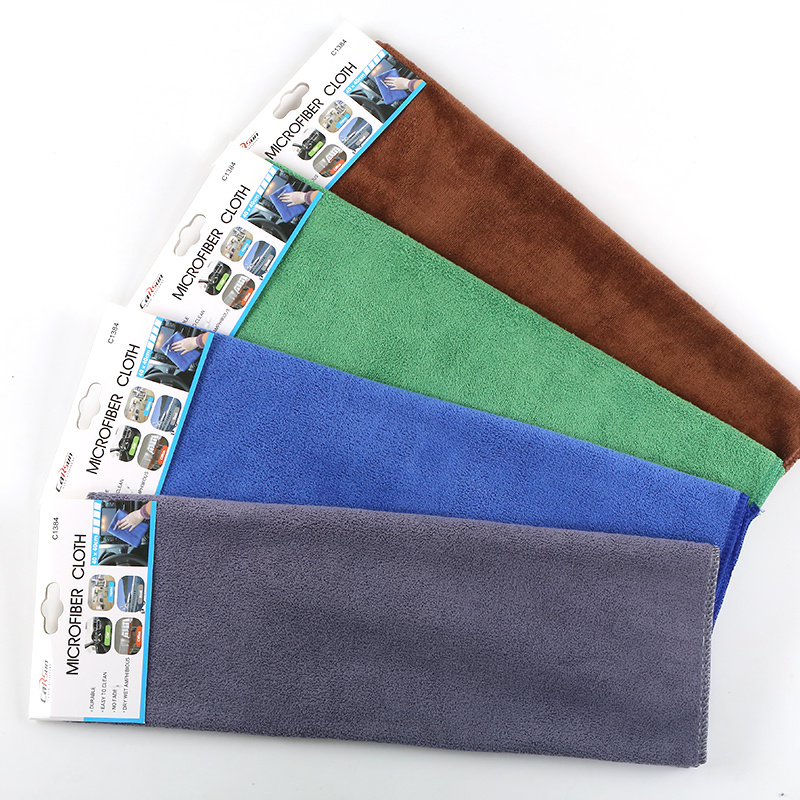
Consider using color-coded microfiber towels to prevent cross-contamination. Designate specific colors for different tasks (e.g., blue for glass, green for kitchen surfaces) to maintain hygiene and efficiency.
Washing Microfiber Cleaning Towels
Proper washing is crucial to maintaining the quality of your microfiber towels. Follow these steps for effective cleaning:
Pre-Wash Preparation
Before washing, shake out the towels to remove any loose dirt or debris. Avoid washing heavily soiled towels with pristine ones to prevent contamination.
Machine Washing Instructions
1. **Use Cold Water**: Always wash microfiber towels in cold water. Hot water can damage the fibers and reduce their effectiveness.
2. **Mild Detergent**: Choose a gentle, liquid detergent without fabric softeners or bleach, as these can degrade the microfiber.
3. **Gentle Cycle**: Set your washing machine to a gentle cycle to prevent excessive agitation that can damage the fibers.
Hand Washing Method
If hand washing is preferred, soak the towels in a basin of cold water with a small amount of detergent. Gently agitate the water to cleanse the fibers without causing friction.
Drying Microfiber Towels
How you dry your microfiber towels significantly impacts their longevity. Here’s how to do it right:
Air Drying
The best method for drying microfiber towels is to air dry them. Hang them in a well-ventilated area away from direct sunlight, as UV rays can degrade the fibers over time.
Using a Dryer
If you prefer using a dryer, select a low-heat setting. High heat can damage the fibers, so it’s essential to be cautious. Adding dryer balls can help maintain fluffiness and prevent clumping.
Storing Microfiber Cleaning Towels
How you store microfiber towels affects their cleanliness and usability. Follow these guidelines for proper storage:
Clean and Dry Storage
Ensure your towels are completely dry before storing them to prevent mold and mildew growth. Use breathable storage bins or containers to keep them organized.
Keep Them Separated
Store towels by type or color to avoid cross-contamination. This organization not only enhances hygiene but also makes it easier to find the right towel for specific cleaning tasks.
Common Mistakes to Avoid
Understanding common pitfalls can help you maintain the quality of your microfiber towels. Here are some mistakes to avoid:
Using Fabric Softeners
Fabric softeners coat the microfiber fibers, reducing their ability to absorb water and trap dirt. Always skip fabric softeners when washing microfiber towels.
Mixing with Other Fabrics
Avoid washing microfiber towels with cotton or other fabrics. This can lead to lint transfer, which clogs the fibers and decreases their effectiveness.
Storing in Damp Conditions
Storing microfiber towels in damp or humid environments can lead to mold and mildew growth. Always ensure they are completely dry before placing them in storage.
Extending the Life of Your Microfiber Towels
To ensure that your microfiber towels last as long as possible, implement these additional care tips:
Rotate Your Towels
Regularly rotating your microfiber towels helps evenly distribute wear and tear. This practice can extend the lifespan of your towels.
Inspect for Damage
Regularly check your towels for signs of wear, such as fraying or loss of absorbency. Retire damaged towels to maintain cleaning effectiveness and avoid scratching surfaces.
Frequently Asked Questions
1. Can I wash microfiber towels with bleach?
No, bleach can damage microfiber fibers and should never be used when washing these towels.
2. How often should I wash my microfiber towels?
It is advisable to wash microfiber towels after every use, especially if they are heavily soiled.
3. Can I use a dryer sheet when drying microfiber towels?
No, dryer sheets can leave a film on microfiber that reduces its effectiveness. It’s best to avoid using them entirely.
4. How can I tell if my microfiber towels are worn out?
If your towels no longer absorb water or leave lint behind, it may be time to replace them.
5. Is it safe to use microfiber towels on automotive surfaces?
Yes, microfiber towels are safe and effective for cleaning automotive surfaces, provided they are clean and free from debris.
Conclusion
Proper care for your microfiber cleaning towels is essential for maximizing their effectiveness and extending their lifespan. By understanding the unique properties of microfiber, choosing high-quality towels, and following the best practices for washing, drying, and storing, you can ensure that these invaluable cleaning tools remain in top condition for years to come. By avoiding common mistakes and implementing strategies to extend their life, you can enjoy the benefits of microfiber cleaning towels while maintaining a spotless environment, whether at home or in professional settings.
Keywords:
RELATED INFORMATION



Our Main Products
To inquire about our products, please leave your email to us and we will contact you within 24 hours.