


————
How to Care for Your Microfiber Cloths to Ensure Longevity
Release time:
2025-08-19
How to Care for Your Microfiber Cloths to Ensure Longevity Microfiber cloths have become indispensable tools in the cleaning industry. Their ability to trap dirt, dust, and grime makes them a favorite among car enthusiasts, homeowners, and professionals alike. However, to get the most out of these microfiber cloths, it is essential to know how to care for them properly. This comprehensive guide wi
How to Care for Your Microfiber Cloths to Ensure Longevity
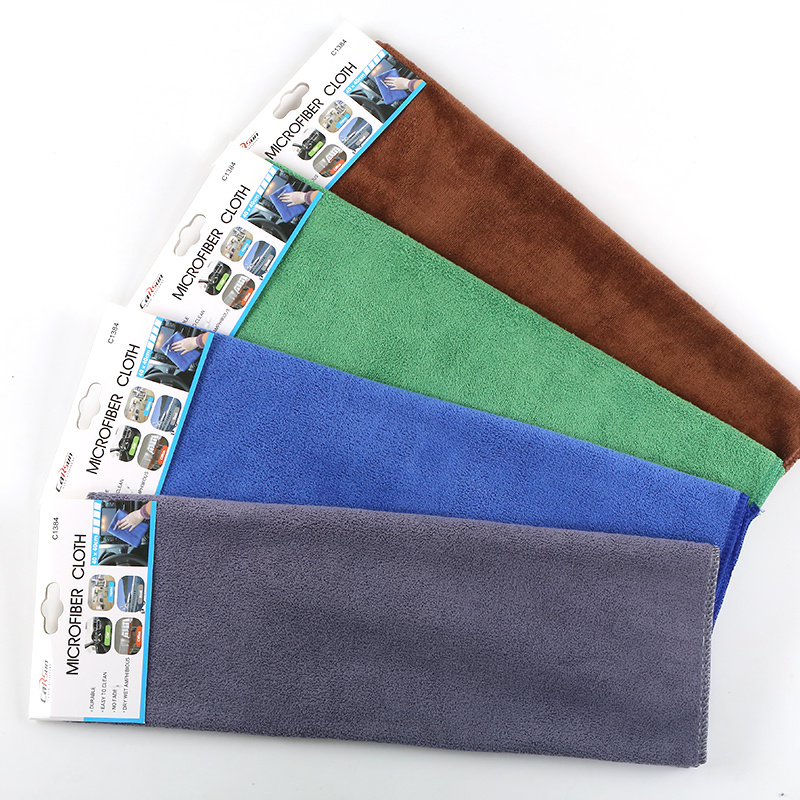
Microfiber cloths have become indispensable tools in the cleaning industry. Their ability to trap dirt, dust, and grime makes them a favorite among car enthusiasts, homeowners, and professionals alike. However, to get the most out of these microfiber cloths, it is essential to know how to care for them properly. This comprehensive guide will walk you through the best practices for maintaining your microfiber cloths, ensuring they remain effective and last longer.
Table of Contents
- Understanding Microfiber Cloths
- The Benefits of Using Microfiber Cloths
- The Importance of Proper Care and Maintenance
- How to Wash Your Microfiber Cloths
- How to Dry Your Microfiber Cloths
- Storing Your Microfiber Cloths Properly
- Common Misconceptions about Microfiber Care
- Frequently Asked Questions
Understanding Microfiber Cloths
Microfiber cloths are made of ultra-fine synthetic fibers, typically composed of polyester and polyamide. These fibers are much smaller than a human hair, allowing them to effectively clean surfaces without scratching or leaving lint behind. Understanding the composition and structure of microfiber can help us appreciate why proper care is crucial to their longevity.
The Benefits of Using Microfiber Cloths
Microfiber cloths offer numerous advantages that make them a preferred choice for cleaning tasks:
- **Effective Cleaning**: Their fine fibers can capture dirt and dust particles more effectively than traditional cloths.
- **Versatility**: They can be used for various cleaning tasks, from washing cars to dusting household surfaces.
- **Eco-Friendly**: Microfiber cloths reduce the need for chemical cleaners, promoting a more environmentally friendly cleaning approach.
- **Durability**: When cared for properly, microfiber cloths can withstand numerous wash cycles without losing their effectiveness.
The Importance of Proper Care and Maintenance
To maximize the efficiency and lifespan of your microfiber cloths, proper care and maintenance are essential. Even the best-quality microfiber can suffer if not cared for correctly. Neglecting to wash or store them properly can lead to reduced absorbency, increased wear and tear, and a shorter lifespan.
How to Wash Your Microfiber Cloths
Washing microfiber cloths correctly is one of the most critical steps in maintaining their effectiveness. Here’s how to do it:
Pre-Washing Tips
Before washing, be sure to shake out or lightly vacuum your microfiber cloths to remove loose debris. Avoid mixing them with other fabrics, especially those that shed lint, as this can clog the fibers and reduce their cleaning efficiency.
Washing Machine Settings
When washing microfiber cloths, use a gentle cycle on your washing machine. This will help preserve the integrity of the fibers. Opt for cold or warm water instead of hot, as excessive heat can break down the fibers.
Choosing the Right Detergents
Select a mild detergent that is free from bleach and fabric softeners. These chemicals can damage the microfiber fibers, leading to reduced absorbency and effectiveness. A natural or eco-friendly detergent is an excellent choice as it will be gentle on both the microfiber and the environment.
How to Dry Your Microfiber Cloths
After washing, the way you dry your microfiber cloths is equally important.
Air Drying vs. Machine Drying
Air drying is the preferred method for drying microfiber cloths, as it helps maintain their softness and absorbency. If you choose to use a dryer, be cautious, as improper settings can lead to damage.
Dryer Settings to Use
If using a dryer, select a low heat setting and avoid dryer sheets, as they can leave residues that reduce the cloth's effectiveness. Remove the cloths while they are still slightly damp to prevent over-drying.
Storing Your Microfiber Cloths Properly
How you store your microfiber cloths can impact their longevity. Here are some tips for optimal storage:
- **Dry and Clean**: Ensure that your cloths are completely dry and clean before storing them. This prevents mildew and unpleasant odors.
- **Avoid Compression**: Store them in a way that allows air circulation. Avoid compressing them into tight spaces, as this can deform the fibers.
- **Separate by Use**: Consider storing cloths based on their intended use (e.g., car care, household cleaning). This will make it easier to grab the right cloth when needed.
Common Misconceptions about Microfiber Care
There are several misconceptions surrounding the care of microfiber cloths that can lead to improper maintenance.
- **Myth 1**: Microfiber can be washed with any fabric.
**Fact**: Mixing microfiber with lint-producing fabrics can damage their ability to clean effectively.
- **Myth 2**: Bleach is safe for microfiber.
**Fact**: Bleach can break down the microfiber fibers and should be avoided.
- **Myth 3**: Fabric softeners are beneficial for microfiber.
**Fact**: Fabric softeners leave a residue that clogs the fibers, reducing their effectiveness.
Frequently Asked Questions
1. How often should I wash my microfiber cloths?
We recommend washing microfiber cloths after every use, especially if they have been used for cleaning up spills or dirt.
2. Can I use bleach on microfiber cloths?
No, bleach should not be used on microfiber cloths as it can damage the fibers.
3. Is it okay to use hot water when washing microfiber?
It is best to wash microfiber cloths in cold or warm water. Hot water can lead to fiber degradation.
4. Can I dry microfiber cloths in the dryer?
Yes, but use a low heat setting and avoid dryer sheets to maintain the integrity of the fibers.
5. How can I tell if my microfiber cloths need to be replaced?
If your microfiber cloths are no longer effective at cleaning, have a rough texture, or show signs of wear and tear, it may be time to replace them.
Conclusion
Caring for your microfiber cloths is essential to ensure they remain effective and last for years. By following the guidelines outlined in this article—from proper washing and drying techniques to appropriate storage practices—you can significantly extend the lifespan of your microfiber cloths. With a little effort, you will maintain their superior cleaning power and contribute to a more sustainable cleaning routine. Proper care not only benefits your cleaning tasks but also protects your investment in these high-quality microfiber tools.
Keywords:
RELATED INFORMATION



Our Main Products
To inquire about our products, please leave your email to us and we will contact you within 24 hours.